

Application ≠ Approval
This is a gentle reminder to note that a visa application doesn’t mean approval. If you are under one of the occupation tiers and you follow the process, including submitting all the requirements, getting a visa grant is possible.
The 189 Visa Overview
The Skilled Independent Visa (subclass 189) is a visa focused on skilled workers whose jobs are featured on the occupation list. This visa allows you to live, work, and study in any location in Australia without the requirement of being state-nominated or sponsored by an employer.
It’s a popular choice for international students because you can stay anywhere in Australia, use your skills and what you learned to start your career here, and this visa can help you make Australia your long-term home.
🟠 Exploring different visa pathways? Head over to our General Skilled Migration page for more.
Understanding the Occupation Tiers
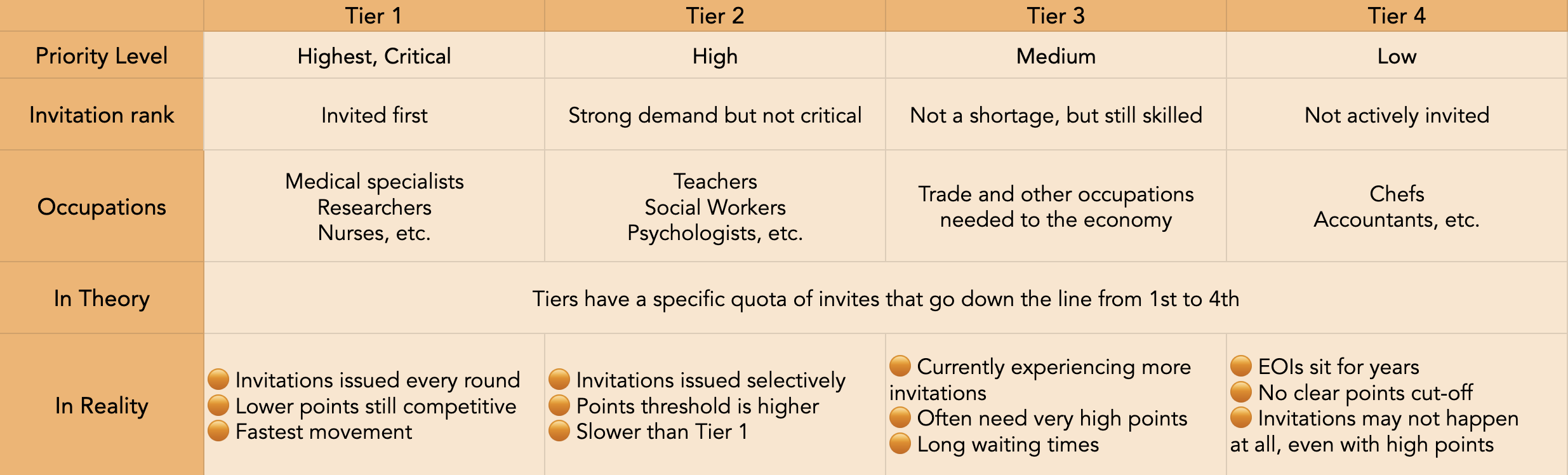
All occupations on the MLTSSL which can be invited for the 189 visas are classified into a system of 4 tiers. Each tier represents a group of occupations categorised with a specific priority level and invitation ranking — Tier 1: Highest Priority Level; Tier 2: High Priority Level; Tier 3: Medium Priority Level; and Tier 4: Low Priority Level.
Tier 1 classifies as the occupations in the medical specialist and healthcare fields, while Tier 2 are grouped into the government priority sector, succeedingly, a wider range of trade and other occupations that support the economy fall under Tier 3, and finally, the jobs considered as oversupplied are found under Tier 4.
🟠 What are your PR visa options if your occupation isn’t in the MLTSSL? Discover it here.
🟠 Watch Nick explain the 189 Tier System as he gives his expert advice.

Immigration Invitations: Higher Tiers ≠ Higher Visa Invites
A quick observation from what we’ve seen over the years: Immigration decides which tiers or occupations are invited for the 189 visa. This has been the case for decades. In theory, tiers have a specific quota of invites that go down the line from 1st to 4th. But, in practice, the tier your occupation falls under—or the quota assigned to that tier—sometimes becomes irrelevant, because Immigration ultimately has the final say in which occupations receive invitations to apply.
That said, this doesn’t mean any tier or occupation is “better” or more deserving than another. It’s simply a reflection of government decisions guiding Immigration on how to prioritise invitations for the 189 visa.
What Influences Invitation Priority?
Points-based System
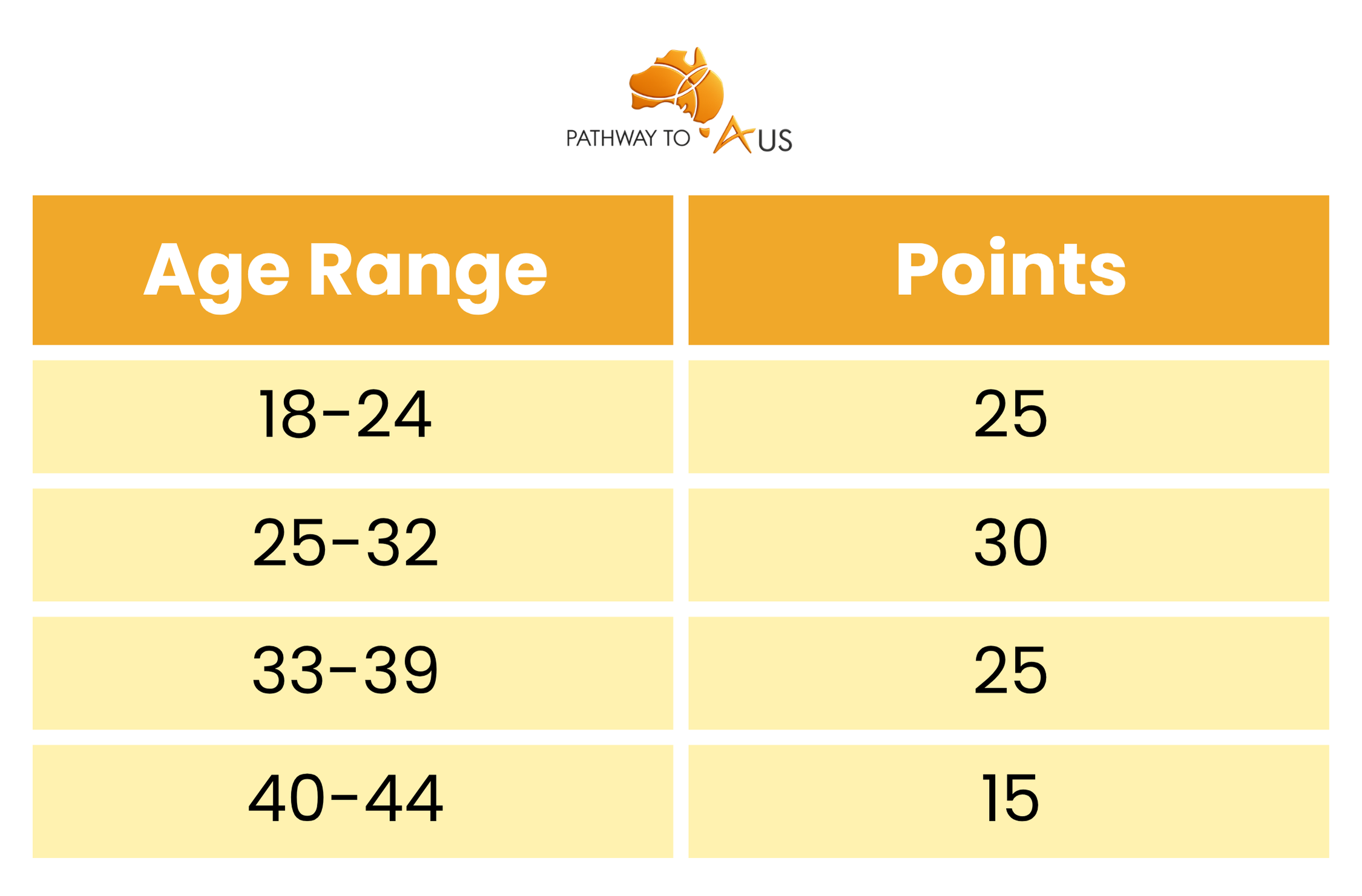
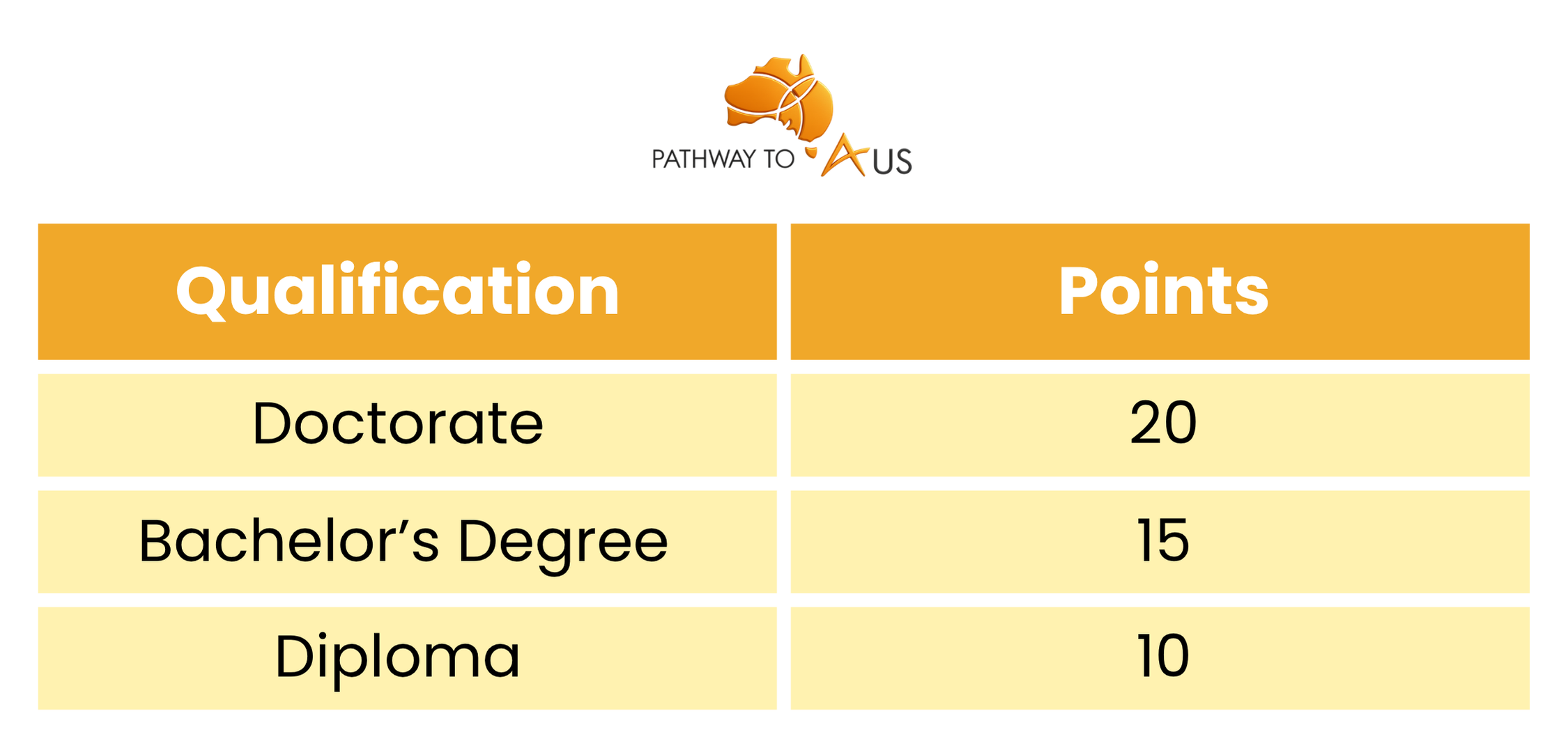
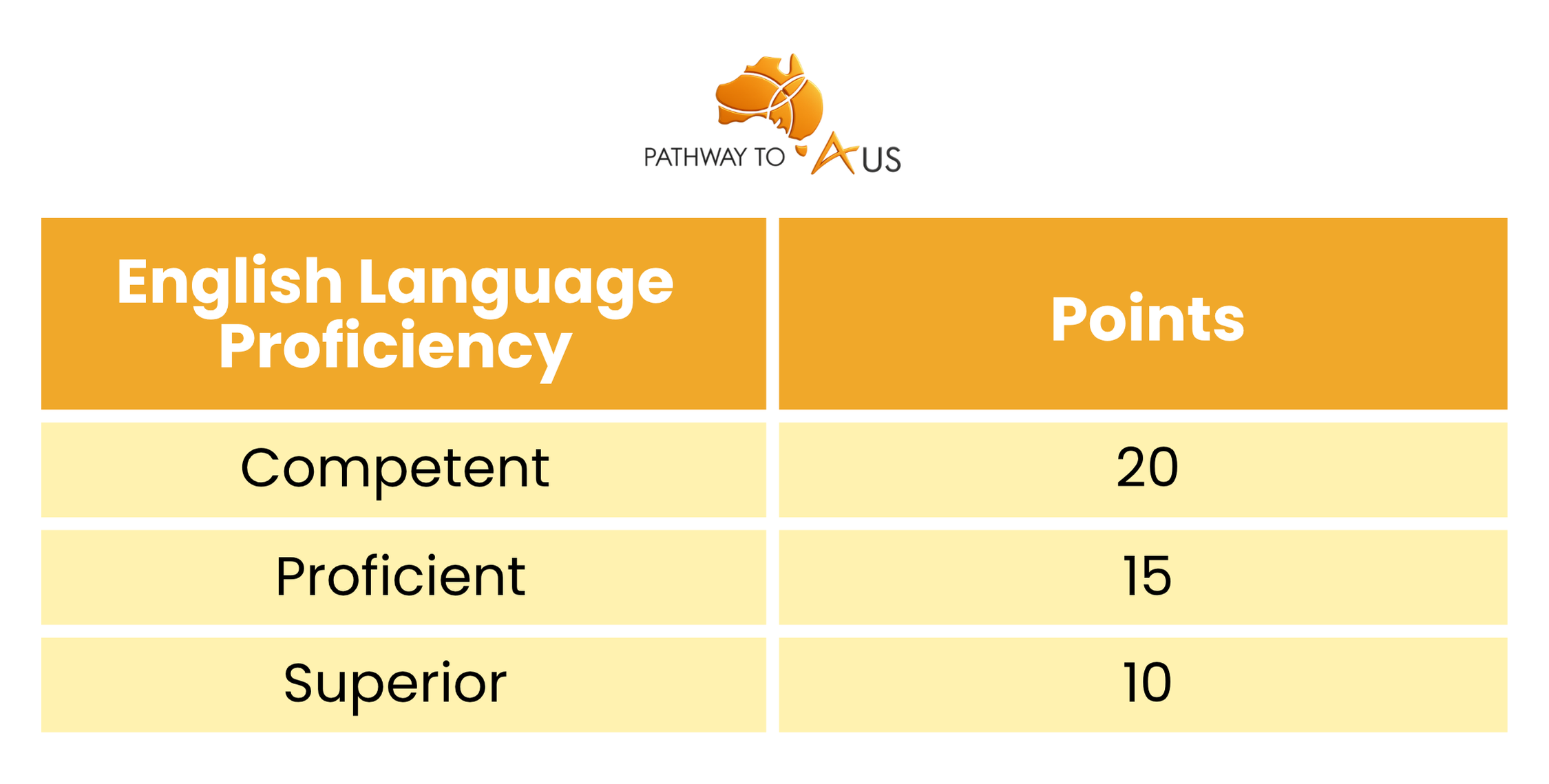
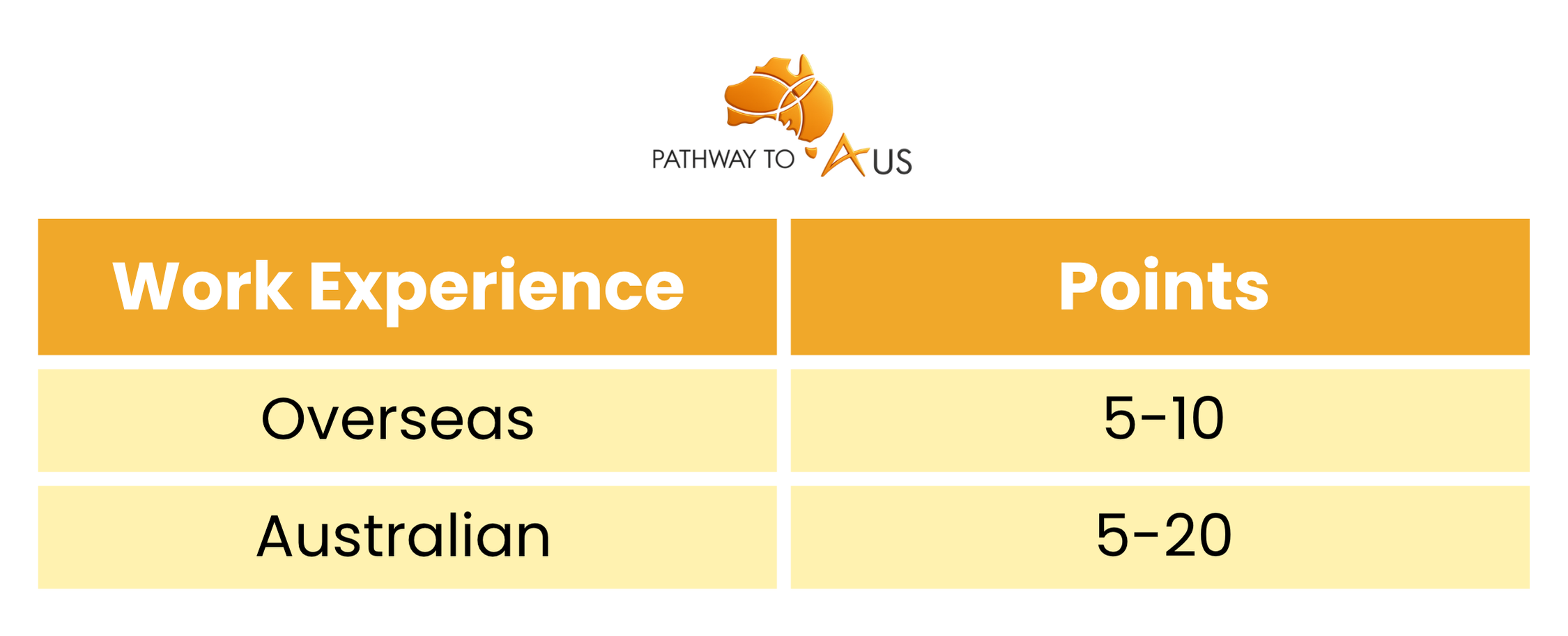
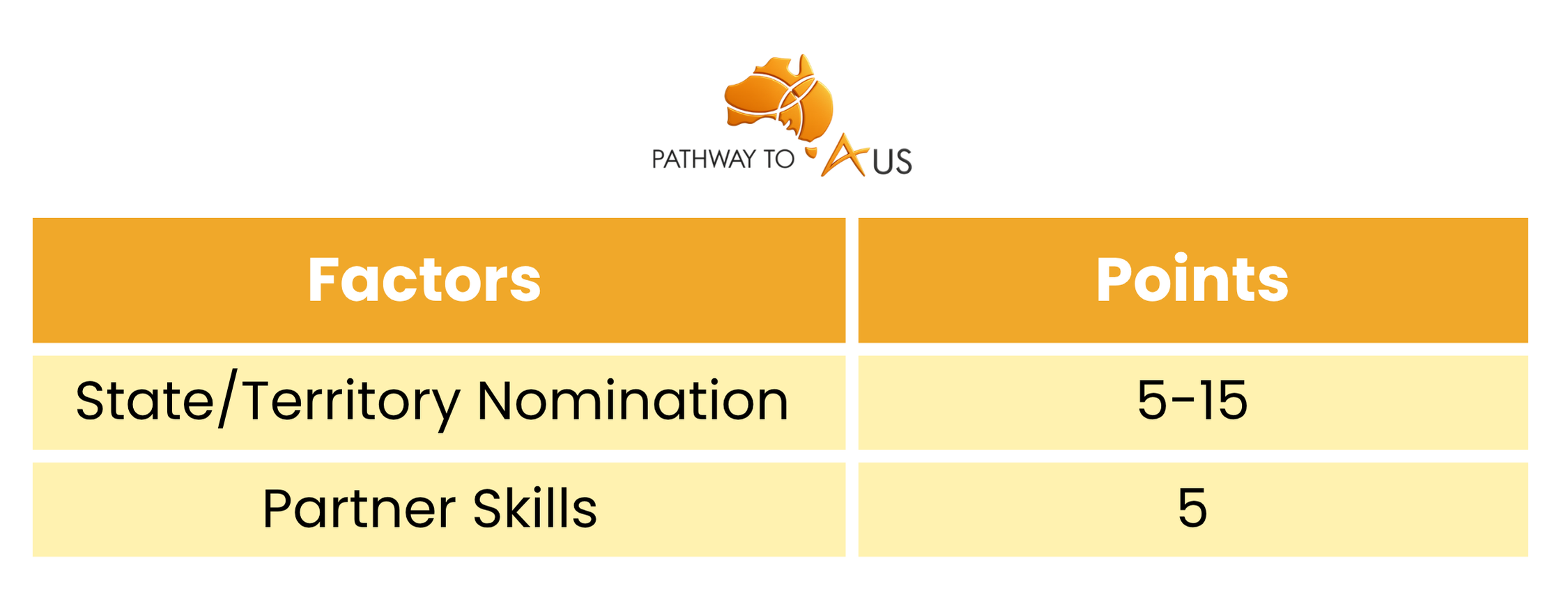
When you start to prepare all your requirements for your EOI (Expression of Interest), your eligibility will also be checked by Immigration through scoring points in certain criteria. To be able to apply for the 189 visa, you must first pass a skills assessment and points test.
Please note before submitting an expression of interest, applicants must first obtain a full skills assessment from the relevant assessing authority. The Points Test includes factors like age, language skills, education, Australian work experience, overseas work experience, partner skills, professional year, and accredited translator. To see how far along you are in the scoring range, you can go ahead and take our Points Test.
🟠 Take a deeper dive and find out more about EOIs for 189, 190 & 491.
🟠 Wondering what steps you need to take after lodging your EOI? Watch this.
🟠 Get a comprehensive guide into lodging your EOI. Click here to find out.
🟠 Learn more about the simple 4-step process and Job Ready Program in our Educate to Migrate page.
🟠 Interested in working together with us? Here’s what the Visa Application Process is like with Pathway to Aus.
Occupation Ceilings
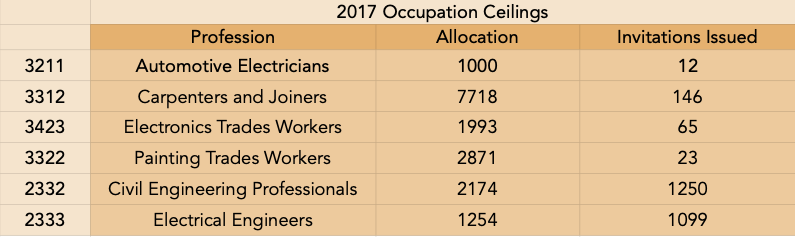
An occupation ceiling is a limit on the number of invitations that immigration has allocated for an occupation. Say, each year immigration may select 2000 accountants through general skilled migration.
These occupation ceilings are used to apply for the Skilled Independent (Subclass 189), State Nominated (Subclass 190) and Skilled Regional (Provisional) (Subclass 489) visas.
Here’s a sample comparison of the ceiling occupation and invitations in 2017:
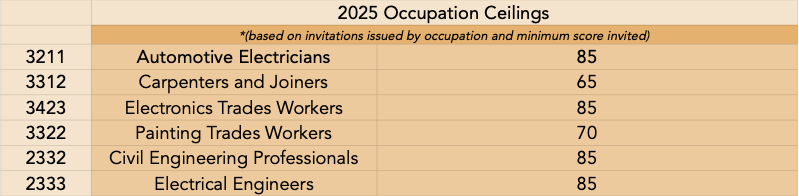
And here’s the latest 2025 update as of Nov 13:
🟠 Skim through data and learn more about Occupation Ceilings in previous years.
🟠 Learn more about the simple 4-step process and Job Ready Program in our Educate to Migrate page.
High Demand due to Skill Shortages
The government guides the Immigration’s decision-making process when it comes to choosing the tiers and occupations to invite for visa occupation. Based on the data, there’s a difference between those from previous years and the current situation. More trades work under Tier 3 have been invited as compared to the medical and healthcare work and social work represented in Tiers 1 and 2.
High Point Scoring + Occupation Ceilings + Job Demand per Location
With all these considered, you can gain insight on the plausibility of your EOI submission and visa application. Need help with that? No worries! Please feel free to Contact Us and speak to one of our lead migration experts for clarity and direction.
🟠 Get to know more about the Invitation Rounds in our August 2025 Invitations article .
🟠 Want to know who got the latest 189 invites in 2025? Check out Nick’s November and December round-ups.
What does this mean for 189 Applicants?
Occupation Ceilings: There’s a possibility that your occupation may reach its ceiling and no invitations may be issued until the next issuance period.
Points-Based System: The higher the points, the better the chances are of getting an invitation.
Job Demand Per Location: Occupations that are highly needed may receive more invitations and be processed faster. Work that is in lower demand may take a longer time no matter the strength of the score.
🟠 Wondering how many points you need for PR? Check out Nick’s explanation.
Tier System Takeaways | What we’re learning
- Timing is crucial when applying for a visa. Early submission can be advantageous.
- Boost your points to increase your score ranking. Every point counts.
- Understand trends in job demand. This will help you manage expectations and develop a deeper perspective.
- Stay informed and flexible so you can adjust when needed.
Getting an invitation for the Skilled Independent Visa (subclass 189) application is a combination of different factors and there can be a level of uncertainty there. The invitations issued by Immigration can vary at different times and situations. The things we can be certain of are meeting eligibility criteria, following the process, and submitting requirements completely.
Want to get an analysis of your 189 visa situation? Feel free to Contact Us anytime.
🟠 For more detailed info on Permanent Residency we suggest you check out:
5 Steps to Permanent Residency
The Pathway to PR Process
Thinking of exploring the study pathway in Australia too?
- Find a course or choose one of the Trade courses
- Fill out the PTA Enrolment Form
3. Book a FREE Education Consultation