
5-star Reviews | 12K+ Students Helped
Study in Australia: Courses, Visa & Pathways (2026)
International students get globally recognised education, work rights while you study, and real pathways to stay. We help you choose the right course and visa from day one.
Why study in Australia
- High quality of life
- Globally recognised education
- Real-world work experience
- Diverse cities and lifestyle





Pathway to Aus team
Registered migration agents and education agents
How can we help with your move to Australia?
Or start with
Atlas
AI guide from Pathway to Aus
Find The Right Course For You
Australia offers multiple education pathways depending on your goals and budget.
Trade courses
These courses may connect to skills assessments, employer sponsorship, or migration pathways, depending on occupation and eligibility.
Hands-on qualifications such as:
Vocational education
VET courses are often more affordable and may provide pathways to further study or work visas.
Diplomas and advanced diplomas in areas like:
University degrees
University study can lead to professional careers and graduate visa options, depending on eligibility.
Bachelor’s and Master’s degrees across fields such as:
Compare Your Options
Costs, duration and entry requirements vary by course and provider, so confirm them for each course you consider.
| Qualification | How you learn |
|---|---|
| Certificates III and IV (AQF levels 3 and 4) | Mostly practical. Training is often workshop-based or on the job, and skills are assessed by completing tasks. |
| Diplomas and advanced diplomas (AQF levels 5 and 6) | Applied and industry-focused. A mix of classroom learning, projects and practical assessment. |
| Bachelor’s degrees (AQF level 7) | Theory with practical elements. Lectures, tutorials, assignments and exams. |
| Graduate certificates and graduate diplomas (AQF level 8) | Shorter postgraduate study, often to build on an earlier degree or move into a new field. |
| Master’s and doctoral degrees (AQF levels 9 and 10) | Advanced study. Coursework degrees use lectures and assignments; research degrees centre on an independent project. |
What to Consider
Check if Your Course is Recognised
"Recognised" can mean three different things. Check each one that applies to you.
A recognised course is a starting point. It does not guarantee a skills assessment, visa or permanent residency outcome. Assessing authorities may also require a higher level of study than a visa stream does.
Not Sure Where to Start?
Choosing the right course can feel overwhelming, especially if you're new to studying in Australia. Our experienced education agents are here to help. Book a free consultation and get personalised guidance on the best course, location, and pathway for your goals.
Book a Free Consult
Get free advice on courses, study pathways, and student visas tailored to your goals.
Student Visa Requirements in 2026
To study in Australia, most international students need a Student Visa (Subclass 500).
Below are the main requirements based on the latest government updates.
Confirmation of Enrolment (CoE)
You generally need a Confirmation of Enrolment from an approved education provider before your student visa can be granted.
Genuine Student (GS) requirement
For applications lodged on or after 23 March 2024, students must meet the Genuine Student (GS) requirement, showing their intention to study and comply with visa conditions.
Financial capacity
Students must show access to sufficient funds. The current minimum financial capacity is AUD 29,710 for the primary applicant (subject to change by the Department of Home Affairs).
Overseas Student Health Cover (OSHC)
You must maintain OSHC for the duration of your stay in Australia.
Onshore application restrictions
Some visa holders in Australia cannot apply onshore for a student visa, including certain Visitor and Temporary Graduate visa holders.


Find Your Migration Agent
Get matched with the perfect expert for your journey
Living As a Student in Australia
Student visa holders can work up to 48 hours per fortnight during term and unlimited hours in breaks. Costs depend on your course and city; here’s what to expect for tuition and living expenses.
Living costs (visa calculation)
AUD 29,710
for 12 months, plus course fees and travel
Working While Studying
Can International Students Work in Australia?
Student visa holders are generally allowed to work:
Up to 48 hours
per fortnight during study periods
Unlimited hours
during course breaks
Work rights and conditions may change, so always confirm current rules before applying.
Financial Eligibility
Cost of Studying
How Much Does It Cost to Study in Australia?
Costs vary by course type, city, and provider, but general ranges include:
approx. AUD 6,000 to 18,000 per year
approx. AUD 20,000 to 45,000 per year
Payment plans may be available depending on the provider.
Accommodation Options
Students in Australia typically choose shared rentals, homestay, student accommodation, or private rentals.
Popular Cities
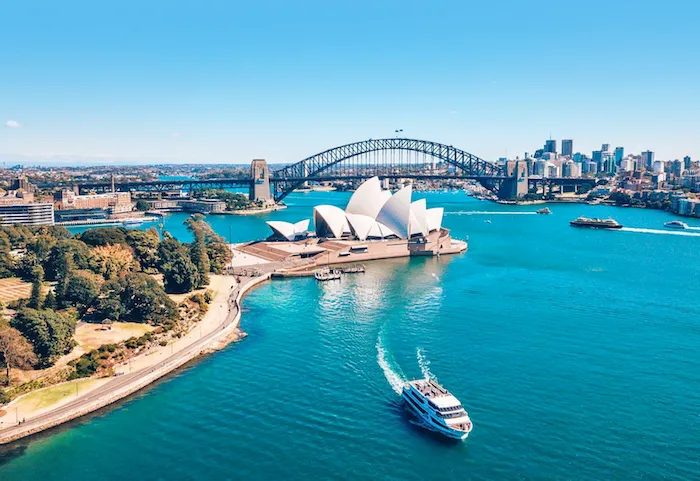
Sydney
Australia's largest city: strong job market, top universities, iconic beaches, and a multicultural, liveable lifestyle.
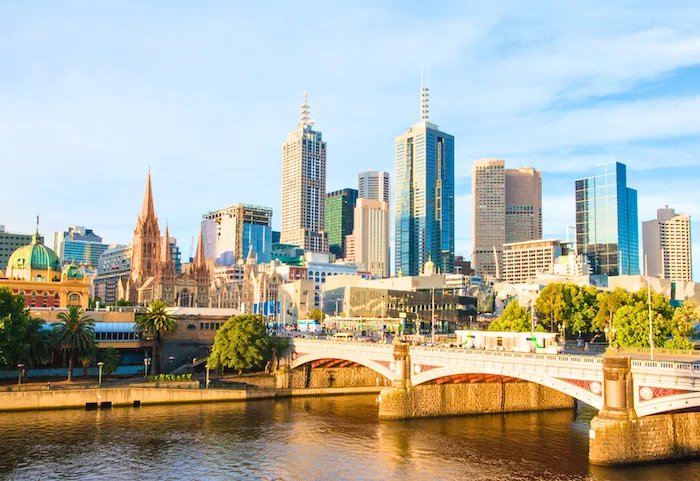
Melbourne
Often ranked Australia's best student city: strong culture, food, and arts, world-class universities, and relatively affordable.
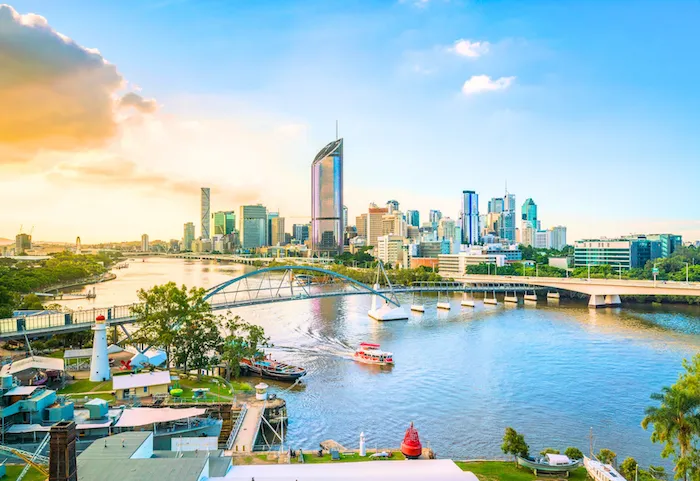
Brisbane
Queensland's capital with a warm climate, relaxed pace, growing education sector, and easy access to beaches and nature.
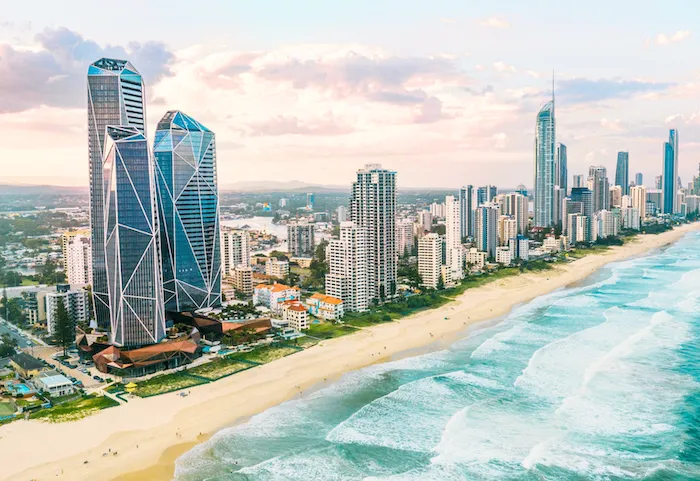
Gold Coast
Beach lifestyle, surfing, and outdoor living. Several universities and strong options in tourism, hospitality, and healthcare.
Regional Australia
Regional areas may offer lower living costs and potential migration advantages, depending on visa pathways.
After Graduation
Many international students want to stay in Australia after finishing their studies. Depending on your course and eligibility, here are the main pathways.
Visa Options
Subclass 485
Live and work in Australia after completing eligible study
Skills in Demand Visa
Available to eligible workers in occupations Australia needs
Skilled Migration
Apply for PR based on your skills, points score, and eligibility
485 Visa Duration
Usual stay periods. Some passport holders, including Indian nationals and Hong Kong or BNO passport holders, have different periods
2 years
Bachelor's / Master's (coursework)
3 years
Master's (research) / PhD
Up to 18 months
Trade / vocational diploma
Extra 1 to 2 years
Regional graduates may be eligible (separate application)
What to Consider
Choosing the right course
Completing a course does not guarantee a skills assessment, visa or permanent residency outcome. Each depends on your occupation, your circumstances and the requirements at the time. Some courses do not support a skills assessment or graduate visa, so checking early helps you choose well.
Learn More: Graduate visa (485) Skilled migration Skills in Demand visa Points test Skills assessment requirements
Ready to plan your pathway?
Get clear advice on courses, graduate visa, and migration options tailored to your goals.
Why Choose Pathway to Aus?
Not every course leads to work or migration options. We help you pick a pathway that fits your goals and avoid choices that don’t.
Support at Every Step
Pathway to Aus helps international students plan their study and migration pathway from start to finish.
Free course placement support
Education placement assistance is free for eligible students, including course selection and enrolment guidance.
Registered migration advice
Student visa support is provided by a Registered Migration Agent where applicable.
Support for partners and families
We can guide you on including eligible partners or dependants in your application.
Arrival and settlement guidance
Our team can provide tips on accommodation, jobs, and settling into life in Australia.

Why use Pathway to Aus - Education Agency
If you are interested in studying a course in Australia contact Pathway to Aus to speak with one of our Education Agents. We can explain to you the course costs, duration and location, all free of charge.
* Fees may apply for certain services. All visas are subject to eligibility and Department of Home Affairs decision-making.
Real Students, Real Results
See how carpentry training in Australia has helped students achieve their career goals and secure permanent residency


Thanks to Pathway to Aus, we secured our permanent residency in Australia!

I arrived in Australia with just $1,000 and a plan—and now I’m a permanent resident!
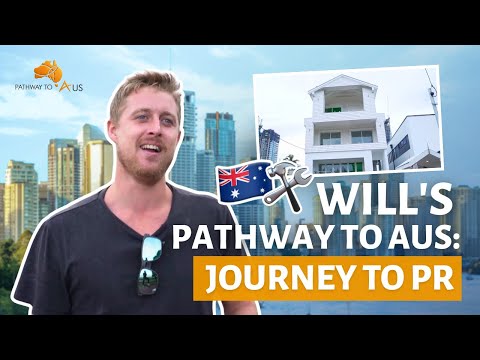
Pathway to Aus took away all the stress, all the paperwork, just made it simple and easy.

Bruna's Pathway to PR
"From my first day in class to getting my PR, Pathway to Aus made every part of the process simple. They handled the stressful bits so I could just focus on studying and working."
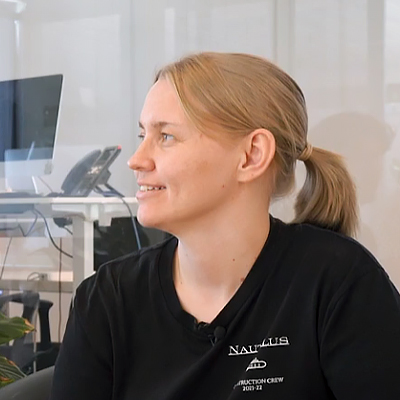
From Carpentry Student to PR
"Pathway to Aus handled every step for me, from study to skilled migration. They kept me informed, supported me through the tricky parts, and made the whole experience stress free."

Ready to Study in Australia?
Pick the right course
Browse trade, VET, and university courses that match your goals and budget.
Eligibility Check
We review your background, goals, and budget to see which study pathway fits you and what options are realistic.
Understand your visa options
Understand your visa options
We guide you through Student visa (Subclass 500) requirements and your study plan so your course choice and documents support your long-term goal
Speak with a qualified education agent
Get personalised advice on courses, enrolment, and visa. We can also help with arrival, accommodation, and next steps once you're in Australia.
Frequently Asked Questions
Get answers to common questions about studying in Australia
Can I get permanent residency (PR) after studying in Australia?
Yes, depending on your course and eligibility. After completing eligible study, you may apply for a Temporary Graduate Visa (Subclass 485), then pursue skilled migration (189, 190, 491) or employer sponsorship. Choosing the right course from the start is critical. Not all courses lead to migration pathways.
How much does it cost to study in Australia?
Tuition varies by course type: trade and VET courses range from approx. AUD 6,000 to 18,000 per year; university degrees from approx. AUD 20,000 to 45,000 per year. You also need to show a minimum of AUD 29,710 per year in living costs for your student visa. Payment plans may be available depending on the provider.
Can I work while studying in Australia?
Student visa holders can generally work up to 48 hours per fortnight during study periods and unlimited hours during scheduled course breaks. Work rights and conditions can change, so always confirm the current rules before applying.
What do I need for an Australian student visa?
For a Student visa (Subclass 500) you generally need: a Confirmation of Enrolment (CoE) from a CRICOS registered provider, proof of financial capacity (currently AUD 29,710 minimum), Overseas Student Health Cover (OSHC), and you must meet the Genuine Student (GS) requirement. Some visa holders cannot apply onshore. Requirements can change; check with the Department of Home Affairs or a registered migration agent.

5 Tips You NEED Before Studying in Australia
Before you apply, here are the 5 most important tips every international student needs to hear. These insights will help you choose the right course, save money, avoid delays, and set yourself up for long-term success including potential PR pathways if that's your goal.GET IN TOUCH
In case of questions, feel free to reach out to one of our experienced Registered Migration Agents.
Contact details
Give us a call
Australia: +61 7 5526 5900
Fiji: +679 922 3842
United Kingdom: +44 20 3948 3865


Send an email
info@pathwaytoaus.com
Gold Coast Office
2242 Gold Coast Highway,
Mermaid Beach, QLD, 4218
UK Office
5 Merchant Square
London, W2 1AY, United Kingdom
(By Appointment Only)