


What Is an Enrolled Nurse in Australia?
An Enrolled Nurse in Australia are qualified healthcare professionals who provide hands-on patient care. They work under the supervision of a Registered Nurse (RN).
Most ENs or Enrolled Nurse complete their Diploma of Nursing. This course usually takes around 18–24 months.
After graduating, they need to register with AHPRA before they can legally work in Australia.
In a day-to-day practice, an Enrolled Nurse often:
- Support patients with personal and clinical care
- Monitor health conditions and vital signs
- Administer certain medications
- Assist Registered Nurses and doctors with treatment plans
It’s a very practical and patient-focused role. For many people, it’s the first real step into Australia’s healthcare system.
Are Enrolled Nurses in Demand in Australia?
Yes! But…
Australia has a long-term shortage of healthcare workers especially in:
- Aged care
- Regional and rural hospitals
- Community and disability care
Because of this, Enrolled Nurses are genuinely needed in the workforce.
However, when we talk about migration strategy, the government places the Registered Nurses ahead of Enrolled Nurses.
As of 2026, Enrolled Nurses in Australia is generally on the Short-term Skilled Occupation List (STSOL) rather than the Medium and Long-term Strategic Skills List (MLTSSL). This shows that the PR pathways are primarily through State Nomination rather than independent migration.
So, the PR pathway is not always as straightforward even while jobs exist.
Understanding these differences early can save a lot of confusion later.
Want to start your Migration journey through International Study?
Have a meaningful talk with one of our expert education or migration agents and book a consultation today!
Is Enrolled Nurse on Australia’s PR Occupation List for 2026?
The short answer is Yes, but the strategy has changed.
In 2026, the Enrolled Nurse (ANZSCO 411411) is officially listed on the Core Skills Occupation List (CSOL). This is the primary list used for employer-sponsored visas and state nominations.
Because the role is not on the “Medium and Long-term” list (MLTSSL), you generally cannot apply for the Subclass 189 (Independent) visa. Instead, your path to Permanent Residency (PR) follows these three routes:
1. Subclass 190 (Skilled Nominated Visa)
This is a Permanent Residency visa from day one. You must be nominated by a specific state (like NSW, VIC, or SA). In 2026, states are prioritising the healthcare workers but they sometimes or rather most of the time, require you to live and work in that state where you already received an invitation.
2. Subclass 491 (Skilled Work Regional Visa)
This is the most common path for Enrolled Nurses. It is a 5-year visa that allows you to live and work in regional Australia (anywhere except Sydney, Melbourne, or Brisbane). After living in a regional area for 3 years, you can already apply for Permanent Residency (Subclass 191).
3. The “Skills in Demand” Visa (Replacing the 482)
Under the 2026 migration, if you have an employer willing to sponsor you, you can work in Australia for up to 4 years. Compared to previous years, there is now a clear, guaranteed pathway to PR after just 2 years of working for your sponsor.
Important Note: To access any of these visas, you must have a successful Skills Assessment from ANMAC. This requires proof of your qualifications and a high level of English proficiency (IELTS 7.0 or OET Grade B).
How Much Does an Enrolled Nurse Earn in Australia in 2026?
Salary is a major factor when choosing your career path. Thanks to recent historic wage increases particularly the Fair Work Commission’s Aged Care Work Value Case, pay rates for Enrolled Nurses jumped in 2025 and 2026 significantly.
As of early 2026, an Enrolled Nurse (EN) in Australia typically earns between $70,000 and $82,000 per year. However, your actual take-home pay can be much higher depending on several factors:
- Aged Care Pay Rises: If you work in aged care, you are likely benefiting from the multi-stage wage increases (up to 28% for some roles) designed to retain skilled staff.
- Regional Bonuses: To attract healthcare workers, regional hubs in Western Australia, Queensland, and the Northern Territory often offer higher base salaries or relocation incentives.
- Shift Penalties: Nursing is a 24/7 job. Working afternoon, night, and weekend shifts can easily push an experienced EN’s total compensation toward the $90,000+ mark.
- Experience Level: While entry-level “Pay Point 1” roles start on the lower end, your salary increases automatically as you progress through your years of service.
While these figures offer a comfortable lifestyle, it is worth noting that Registered Nurses (RNs) still earn a higher base rate (often starting where an EN tops out) which is why many use the EN role as a financial stepping stone toward further study.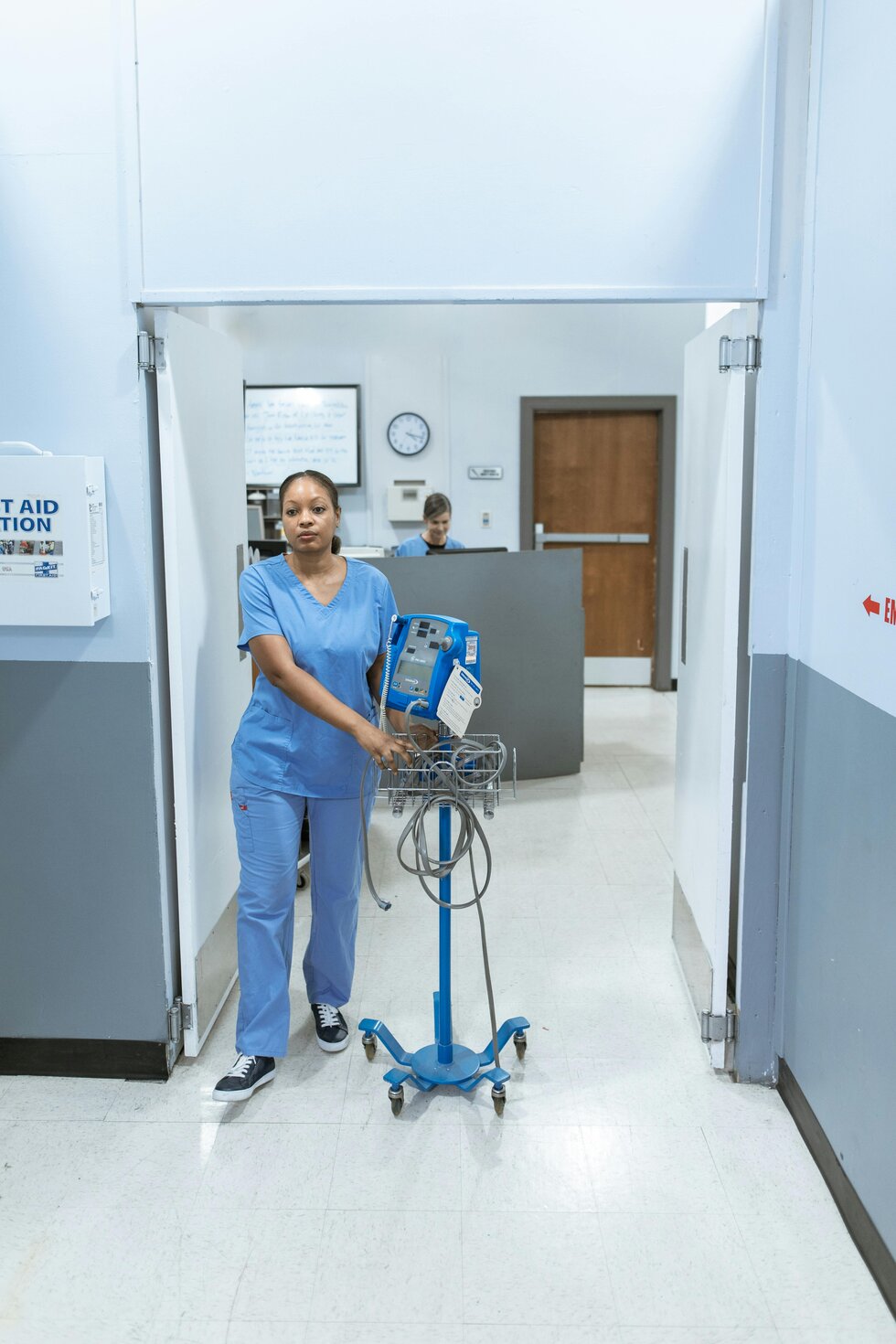
Want to discuss your visa options based on your situation?
A Common Strategy: Upgrading to Registered Nurse
Because PR options for ENs can be uncertain, many students eventually decide to:
Continue studying → Become a Registered Nurse → Access stronger PR pathways
Registered Nurses:
- Are in higher national demand
- Sit on more secure migration lists
- Have clearer PR routes, including independent skilled visas
It’s a longer journey, but often a more stable one for migration.
Final Thoughts
Becoming an Enrolled Nurse in Australia can absolutely be:
- A meaningful healthcare career
- A stepping stone into the Australian workforce
- Part of a long-term migration plan
But it’s important to stay realistic.
With the right strategy, Enrolled Nurses can successfully work toward permanent residency in Australia.
The best pathway always depends on your background, timing, and long-term goals.
And that’s exactly why personalised advice matters!
If you’re considering studying nursing or any healthcare course in Australia and want to understand your real PR chances, speaking with a qualified education or migration professional can make all the difference.