

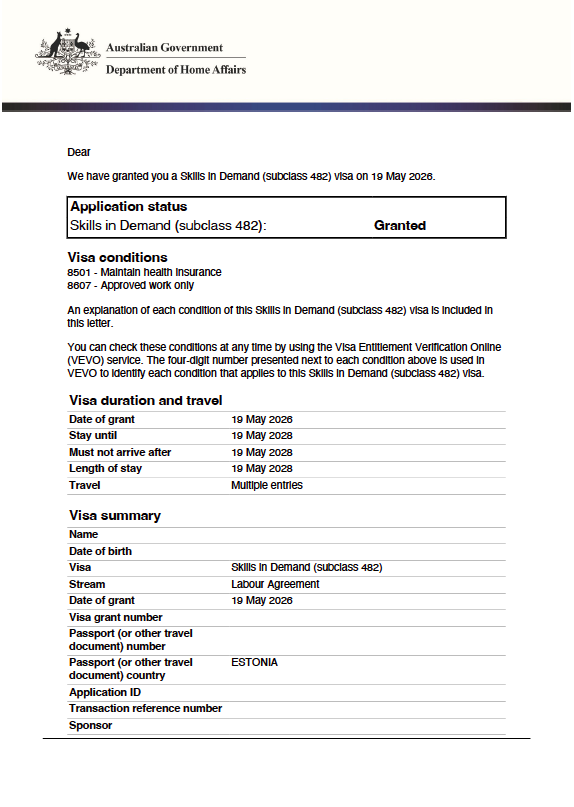
For overseas workers and working holiday makers already in Australia, the HILA provides an avenue to sponsorship for occupations that are completely excluded from standard skilled visa lists. In fact, we just had a 482 visa approved through the horticulture labor agreement stream, and the client is absolutely thrilled! To show you how achievable this pathway is, let’s discuss how we helped her get this visa alongside outlining how the overall agreement works, the extensive list of eligible roles, and how it can lead to permanent residency.
Looking for sponsorship opportunities in regional Australia?
Speak with the Pathway to Aus team about employer sponsorship options, labour agreements, and visa pathways.
What is the Horticulture Industry Labour Agreement (HILA)?
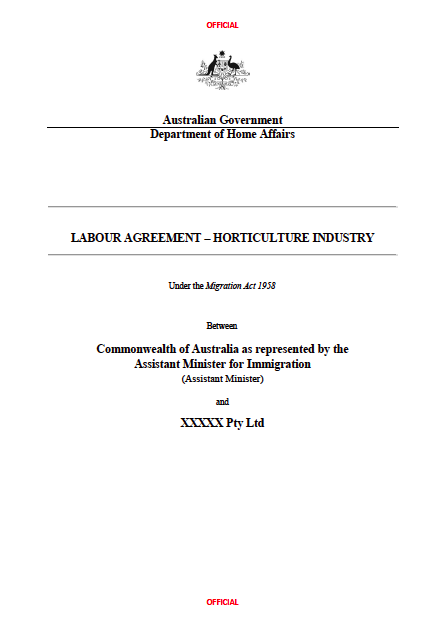
The Horticulture Industry Labour Agreement (HILA) is a formal arrangement between approved Australian horticulture businesses and the Department of Home Affairs. This agreement allows businesses to sponsor skilled and semi-skilled overseas workers in response to severe, localised labour shortages.
Unlike standard immigration pathways which rely strictly on the regular Skilled Occupation Lists, the HILA provides industry-specific flexibility. It allows employers to bypass standard visa restrictions under these following primary visa subclasses:
- Skills in Demand Visa (Subclass 482) – Labour Agreement Stream: A temporary visa allowing workers to live and work in Australia for up to 4 years.
- Skilled Employer Sponsored Regional Visa (Subclass 494): A 5-year provisional visa designed specifically for regional employers to address labour shortages.
- Employer Nomination Scheme Visa (Subclass 186): A permanent residency pathway utilised after meeting specific transitional requirements.
Eligible Occupations under the HILA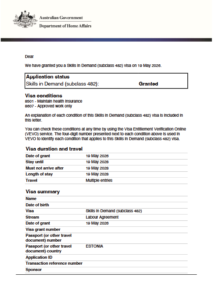
The primary benefit of the HILA is that it unlocks sponsorship for logistics, transport, and farm roles that are typically ineligible for standard visas. Here are the key occupations found in Immigration of Home Affairs website. These are frequently utilised under this HILA:
- Agriculture Technician
- Agronomist
- Biosecurity Officer
- Cold Storage Manager
- Entomologist
- Facility Plant Manager
- Facility Supervisor
- Fitter and Welder
- Fork Lift Driver
- Horticulture Farm Manager
- Horticulture Grower
- Horticulture Research & Development Officer
- Horticulture Section Manager
- Irrigation Designer/Manager
- Irrigationist
- Irrigationist Assistant
- Machinery Manager
- Machinery Supervisor
- Maintenance Electrician
- Mechanical Engineer
- Mechanic
- Mobile Plant Operator
- Nurseryperson
- Nursery Supervisor
- Production Horticulturist
- Production Horticulture Supervisor
- Protected Cropping Grower
- Quality Assurance Manager
- Section Supervisor
- Senior Nurseryperson
- Truck Driver
Want to know if your occupation may qualify under a Labour Agreement?
Truck drivers, forklift drivers, machinery operators, and regional workers may have alternative sponsorship pathways available depending on employer eligibility.
Why the HILA is Highly Sought After: Key Concessions
Standard employer sponsorship often requires high English proficiency scores and strict minimum salary thresholds. The HILA is uniquely attractive because the Australian Government grants specific concessions to accommodate the nature of regional horticultural work
1. English Language Concessions
Under the HILA stream of the Skills in Demand (Subclass 482) visa, the English language requirement is softened. Applicants generally only require an overall IELTS score of 5.0 (or equivalent) with no individual band score below 4.5.
2. Salary Concessions (TSMIT Discount)
Standard corporate sponsorships require employers to pay the Temporary Skilled Migration Income Threshold (TSMIT). The HILA offers a monetary concession on this threshold for specific occupations. This ensures regional businesses can afford to sponsor workers while maintaining fair market salary rates.
3. Age Concessions
For the permanent residency pathways linked to the HILA, the maximum age limit is often extended beyond the standard 45-year-old cutoff frequently up to 50 years of age, depending on the specific visa stream and occupation code.
Concession as defined by the Department of Home Affairs means: “any variations to the requirements prescribed in the Migration Legislation in relation to the age skills, qualifications, employment background, level of English Language proficiency, the CSIT and the TSMIT required for the nomination and grant of a SID, SESR or ENS visa.”
Let’s think of it as a "special allowance" granted by the Australian government to make it easier for certain applicants or employers to qualify for a visa.
Not sure if you qualify for sponsorship under a Labour Agreement?
Our team can help assess possible visa and employer sponsorship pathways based on your occupation and experience.
Who is Eligible for This Pathway?
Theoretically, anyone with the right skills can apply for this pathway. But this pathway is most actively utilised by:
- Working Holiday Makers (Subclass 417 & 462): Backpackers who have completed their specified regional work, built strong relationships with an agricultural employer, and wish to transition to a long-term professional stay.
- Existing Regional Workers: Workers already employed on farms, in processing plants, or within agricultural supply chains who have proven their reliability to their employers.
- Offshore Logistics Specialists: International truck, forklift, and heavy machinery operators looking to relocate to regional Australia.
Important Prerequisite: To qualify for sponsorship under a labour agreement, individual applicants must still meet the skills threshold for their specific occupation. This often involves a formal skills assessment (such as through VETASSESS) and demonstrating 1 to 2 years of relevant work experience.
Can the Horticulture Labour Agreement Lead to Permanent Residency?
Yes. Unlike many standard semi-skilled visas, the Horticulture Labour Agreement provides a distinct, transitional pathway to permanent residency.
Typically, after holding a Subclass 482 or Subclass 494 visa and working for your sponsoring employer in a regional area for a specified period (usually 3 years), you may become eligible for permanent residency via the Employer Nomination Scheme (Subclass 186) or the Permanent Residence Regional (Subclass 191) visa.
Summary Checklist for Applicants
- Secure an eligible employer: The employer must hold, or be willing to apply for, an approved Horticulture Industry Labour Agreement with the government.
- Meet the skill level: Ensure you have the required licenses (e.g., Heavy Vehicle or Forklift) and work experience.
- Pass health and character checks: Standard Australian visa criteria apply.
Planning a long-term future in Australia?
Learn how regional employer sponsorship and labour agreements may connect to future permanent residency pathways.
Disclaimer: Australian migration law is highly complex and subject to frequent policy updates. The information provided in this article is for educational purposes only and does not constitute formal legal or migration advice. Always consult with a Registered Migration Agent (RMA) or immigration lawyer before making major career or relocation decisions.
Thinking About Employer Sponsorship in Australia?
Whether you're:
- A working holiday maker
- A truck or forklift driver
- Already working regionally
- Exploring labour agreement pathways
Our team may help you understand possible study, sponsorship, and migration options.
FREQUENTLY ASKED QUESTIONS
Can truck drivers get sponsorship in Australia through the Horticulture Labour Agreement?
Yes, some approved horticulture employers may be able to sponsor Truck Drivers under the Horticulture Industry Labour Agreement (HILA). This pathway exists because certain occupations are not normally available under standard sponsorship programs. Eligibility depends on the employer, occupation requirements, work experience, licensing, and current migration regulations.
Can forklift drivers apply for sponsorship in Australia?
Forklift Drivers may be eligible for sponsorship under specific labour agreements such as the Horticulture Industry Labour Agreement. Applicants usually need relevant work experience, licensing, and an employer willing to sponsor them through an approved labour agreement.
What is the Horticulture Industry Labour Agreement (HILA)?
The Horticulture Industry Labour Agreement is a special arrangement between approved Australian horticulture businesses and the Australian Government. It allows eligible employers to sponsor overseas workers for occupations that may not normally appear on standard skilled occupation lists.
Can working holiday makers get sponsored through the horticulture industry?
In some cases, yes. Many working holiday makers who complete regional work and build strong relationships with employers may later explore sponsorship opportunities through labour agreements. However, sponsorship is never guaranteed and depends on employer eligibility and visa requirements.
Does the Horticulture Labour Agreement lead to permanent residency?
Some visa pathways connected to the Horticulture Industry Labour Agreement may provide opportunities for permanent residency in the future. This can depend on factors such as the visa subclass, occupation, regional work history, age, English level, and government policy at the time of application. Permanent residency is never guaranteed.
What occupations are available under the Horticulture Labour Agreement?
Occupations can vary depending on the approved labour agreement and employer needs. Some commonly discussed occupations include:
- Truck Driver
- Forklift Driver
- Facility Supervisor
- Machinery Operator
- Nursery Supervisor
- Horticulture Farm Manager
The available occupations are subject to change and employer approval requirements.
Is the English requirement lower under the Horticulture Labour Agreement?
Some labour agreement pathways may provide English language concessions compared to standard employer-sponsored visas. The exact English requirements depend on the visa stream, occupation, and labour agreement conditions.