
Trade Courses to Study in Australia
Australia urgently needs qualified tradespeople and that creates a real opportunity for international students. You can study a trade, earn the same qualification as an Australian, and build a genuine pathway toward a career and potential permanent residency in Australia.
The way international students learn trades differs from domestic apprenticeships, but the outcome is identical: a fully recognised Australian qualification.
This site is protected by reCAPTCHA and the Google Privacy Policy and Terms of Service apply.
Why Study Trade Courses in Australia?
Australia faces major skills shortages across construction, automotive, engineering, and hospitality trades. This makes vocational training one of the most practical study pathways for international students in 2026.
48 hrs
Allowed to work 48 hours per fortnight and unlimited during breaks.
$8k to $16k
per year, with payment plans available so no lump sum needed
2 years
20+ trades
on Australia’s MLTSSL (Medium and Long-Term Strategic Skills List)
Studying a trade in Australia (2026)
Australia faces major skills shortages across construction, automotive, engineering, and hospitality trades. This makes vocational training one of the most practical study pathways for international students in 2026. Studying a trade gives you hands-on skills, real employment opportunities, and a potential pathway toward staying in Australia long term when planned correctly.
The trades below consistently appear on Australia’s skills shortage lists. They are connected to skills assessment and state nomination programs, which is why they are the strongest options for students with long-term migration goals.

Top Courses to Study in Australia 2026
In this video, Brad outlines his top course predictions: Aged Care & Nursing, Early Childhood Education & Teaching, and Building & Construction trades. He'll explain why they’re among the strongest options for employment and permanent residency (PR) pathways.Trade courses to study in Australia
Browse the courses available to international students. Open any course to see a summary of duration, fees, and intake dates. Many of these courses are directly connected to skills assessment pathways and state nomination programs.
 CERTIFICATE III
$10 000 - $15 000
CERTIFICATE III
$10 000 - $15 000
Electrician
A Certificate 3 in Electrical, officially known as the Certificate III in Electrotechnology Electrician, is a vocatio…
Course Details CERTIFICATE III
$10 000 - $15 000
CERTIFICATE III
$10 000 - $15 000
Carpentry
If you are looking for a flexible job and want to build skills that allow you to work all over the world, perhaps you…
Course Details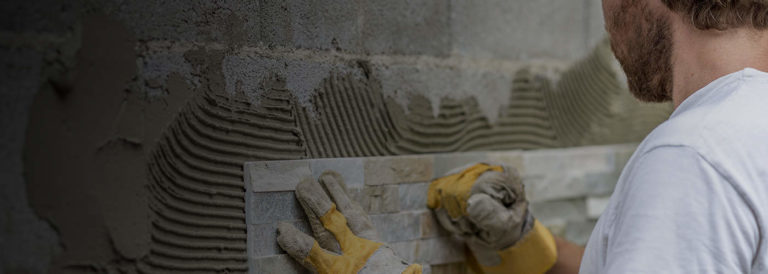 CERTIFICATE III
$10 000 - $15 000
CERTIFICATE III
$10 000 - $15 000
Wall & Floor Tiling
Wall and floor tilers lay ceramic, clay, slate, marble and glass tiles on external and internal walls and floors to p…
Course Details CERTIFICATE III
$10 000 - $15 000
CERTIFICATE III
$10 000 - $15 000
Heavy Diesel Mechanic
Get your hands dirty and get ready for a great career! A diesel mechanic inspects, maintains and repairs diesel engin…
Course Details CERTIFICATE III
$15 000 - $20 000
CERTIFICATE III
$15 000 - $20 000
Commercial Cookery
Chefs plan and organise food menus, cooking, and kitchen staff at restaurants and for catering organisations. On comp…
Course Details CERTIFICATE III
$10 000 - $15 000
CERTIFICATE III
$10 000 - $15 000
Cabinet Making
Cabinet Makers are among the most constantly employed trades workers in Australia. There is a strong demand by employ…
Course Details CERTIFICATE III
$15 000 - $20 000
CERTIFICATE III
$15 000 - $20 000
Engineering Fabrication Course in Australia
If you study Engineering Fabrication and Trade you are setting yourself up to work in numerous trade roles in Austral…
Course DetailsInternational students vs domestic apprentices
How does studying a trade in Australia actually work for an international student? Here is what to expect, from course structure to qualification levels.
The learning path differs between domestic and international students, but both earn the same Australian-recognised Certificate III at the end.
International students
(Vocational course)
Duration
Learning method
Qualification
Available to foreigners?
Australian students
(Apprenticeship)
Duration
Learning method
Qualification
Available to foreigners?
AQF course levels explained
Trade training in Australia follows the Australian Qualifications Framework (AQF). The level you study affects both your career options and your migration eligibility.
Good to know: Most migration-relevant trades begin with a Certificate III plus documented work experience. Most courses run 2 to 3 days per week (15 to 20 hours), so there is plenty of room to work in your trade alongside your studies.
Always confirm intake dates with your provider as many TAFE programs accept students multiple times per year.
Certificate III
- Entry-level trade qualification
- Usually required for skills assessment
- The first step for most migration-related trades
- Duration: 2 years
Certificate IV or Diploma
- Advanced technical or supervisory skills
- Can improve employability or migration points
- Certificate IV: 6 to 12 months
- Diploma: 1 to 2 years
Your Work Rights and Cost
As a Student Visa (subclass 500) holder, you have the right to work while you study. Here is what that looks like in practice:
48 hrs
Unlimited
360 hrs
Payment options
- Payment plans are available. You can pay monthly, per term, or per semester. No lump sum is required upfront.
- Course deposit: Generally $1,000 to $7,000 AUD depending on the provider.
- Living costs vary depending on the city and your lifestyle. Budget these separately on top of tuition.
- Trade courses are significantly more affordable than university degrees and take less time to complete.
Partners on your visa
If your partner is included as a dependent on your student visa, they can also work 48 hours per fortnight at all times, not just during holidays.
South Australia note
In some states, apprenticeships may offer paid work while studying. This is particularly relevant where work-integrated learning is required under South Australia’s updated rules for certain qualifications.
Step-by-Step Pathway to PR
As a Student Visa (subclass 500) holder, you have the right to work while you study. Here is what that looks like in practice:
Enrol in a CRICOS trade course
Work part-time in your trade
Apply for a subclass 485 visa
This gives you up to 18 months to continue working in Australia after completing your qualification.
TRA skills assessment & Job Ready Program
Submit your EOI and Apply for Skilled Migration
Explore visa subclasses 189 (skilled independent), 190 (state nominated), 491 (regional), or 482 (employer sponsored). After submitting your EOI you may need to wait for a state invitation or another permanent residency opportunity depending on your circumstances.
Study & Career Timeline for 2026 Applicants
The general timeline begins with enrolment, which usually takes around one month. This is followed by preparing and lodging the student visa application, which can also take about one month. After the visa is lodged, the processing time is typically around one to two months, although this can vary.
Additional factors
If you follow the study-to-Temporary Graduate Visa (subclass 485) pathway, the full journey usually includes completing two years of study, followed by an 18-month 485 visa. After this, you may need to complete the Job Ready Program, submit an Expression of Interest (EOI), and then wait for a state invitation or another permanent residency opportunity.
Always confirm intake dates due to many TAFE programs start multiple times per year.
Can trade courses lead to permanent residency in Australia?
Studying a trade does not guarantee PR
Anyone who tells you otherwise is misleading you. The right trade combined with the right visa strategy can create a realistic, structured pathway toward PR, but it requires planning and the right decisions from day one.
A trade qualification can lead to PR when you combine all of the following:
- A qualification linked to a skilled occupation on Australia’s shortage lists
- Relevant work experience in that occupation, built during and after your studies
- A successful skills assessment through Trades Recognition Australia (TRA)
- Eligibility for a skilled or employer-sponsored visa such as subclass 189, 190, 491, or 482
Because migration rules change frequently, getting professional advice before choosing your course is essential. The trade you pick, the visa pathway you plan for, and the work experience you build while studying can all significantly affect your outcome.

Find Your Migration Agent
Get matched with the perfect expert for your journey
Frequently Asked Questions
In case you don’t find an answer to your question, feel free to consult with one of our agents.
Can I do a trade apprenticeship in Australia?
International students can’t do apprenticeships in Australia. Instead, they can study a vocational course to become qualified in a trade. The course combines workshop and vocational learning. Check this page for more info.
Can I work while studying a trade?
No. All courses are available on payment plans. You can pay monthly, per term, or per semester, so you do not need the full amount upfront.
Do I need to pay for the course in full?
All of the courses are available on payment plans, so you’ll pay for your tuition every month, term or semester.
How much is the course deposit?
The deposit payment varies from education providers. Generally speaking, students can expect to pay anywhere between $1000 – $7000 AUD for their deposit.
Where can I study a trade?
International students can study trades in every state in Australia. There are courses available in Melbourne, Sydney, Brisbane, Gold Coast, Perth, Adelaide, Darwin, Bundaberg and many more locations
How long does it take to complete a trade qualification?
Trade qualifications generally take 24 months to complete in Australia.
What is vocational placement?
Vocational Placement is a requirement for most trade courses, and students generally undertake 360 hours throughout the duration of their course. A student is placed in a real-life work site and receives practical training and experience on site. This video we made explains vocational placement in more detail
Are trade workers in high demand in Australia?
Yes, there are many trades that are in high demand in Australia. There are a number of trades on Australia Medium and Long Term Skills Shortage List (MLTSSL)
Can studying a trade in Australia lead to permanent residency?
Studying the right trade can create a realistic migration pathway, but it does not guarantee PR. A successful pathway combines four things:
- A qualification in a skilled occupation on Australia’s shortage lists
- Relevant work experience in that occupation
- A successful skills assessment through Trades Recognition Australia
- Eligibility for a skilled or employer-sponsored visa
Because migration rules change regularly, speaking with a registered migration agent before choosing your course is strongly recommended. Book a free consultation here.
How much does it cost to study a trade in Australia?
In 2026, most trade certificates cost between $12,000 and $25,000 per year. Payment plans are available so you do not need to pay the full amount upfront. Contact us for current promotions and specific pricing for your trade.
How many days a week will I be studying a trade course in Australia?
Timetables vary depending on the trade and education provider, however most courses are 15-20 hours per week, over 2-3 days.
Are migration-related qualifications from Australia recognized in other countries?
Yes, migration-related qualifications from Australia are widely recognized in many countries, including Europe and North America.
These qualifications are part of the Australian Qualifications Framework (AQF), which ensures a high standard of education and training. They are often acknowledged as a reliable foundation for employment in migration services and related fields. However, recognition may vary depending on your home country’s specific requirements or regulations.
What visa do I need to study a trade in Australia?
The most common visa for international students studying trades in Australia is the Subclass 500 – Student Visa
Can I include my partner and children on my student visa?
Yes, it is possible to add your partner to your student visa as a dependent, providing you meet the de facto requirement. More info on that here. Children can also be included as dependents
How many holidays will I have while studying a trade course in Australia?
The holidays vary depending on the education provider. Generally speaking, students can expect to have roughly 10 – 15 weeks of holiday per year.
Which trade gives the best chance of PR in Australia?
Electrician and carpentry courses tend to rank highly because of ongoing skills shortages, strong employer demand, and consistent inclusion on the skilled occupation lists used in PR applications. That said, there is no single best trade for everyone. Your outcome depends on your specific occupation, work experience, visa eligibility, and personal circumstances.
Book a free consultation for personalised advice based on your trade and nationality.
What is the Job Ready Program?
The Job Ready Program (JRP) is a supervised employment program run by Trades Recognition Australia (TRA). It requires you to work in paid, trade-related employment in Australia and provide evidence of that work over a set period. Completing the JRP is often the critical step that determines whether you can apply for a skilled migration visa.
The work experience you build while studying feeds directly into your JRP evidence, which is one of the main reasons we encourage students to work in their trade throughout the course. Speak with our agents about how the JRP applies to your trade.
GET IN TOUCH
In case of questions, feel free to reach out to one of our experienced Registered Migration Agents.
Contact details
Give us a call
Argentina: +54 11 7368 8134
Fiji: +679 922 3842
Philippines: +63 968 363 5296
United Kingdom: +44 20 3948 3865


Send an email
Gold Coast Office
2242 Gold Coast Highway,
Mermaid Beach, QLD, 4218
UK Office
5 Merchant Square
London, W2 1AY, United Kingdom
(By Appointment Only)