

Last Updated: 15 October 2026
If you’re planning to do a working holiday in Australia, a few things have been changed this year. Apart from fee changes, Australia has also introduced a visa ballot process for second and third visas. Additionally, new Student visa rules have been adjusted on 2 October 2026.
This guide covers these changes so you can make an informed decision about your working holiday in Australia. `
Key Takeaways
- The first Working Holiday visa (subclass 417) costs AUD840. The second and third each cost AUD1,000.
- On 17 September 2026, the Minister for Home Affairs announced a ballot for second and third year visas. As of 14 October 2026, Home Affairs has not published a start date.
- The second visa requires 3 months of specified work. The third requires 6 months.
- Home Affairs expects processing to average about three months. It asks applicants not to book travel until the visa is granted.
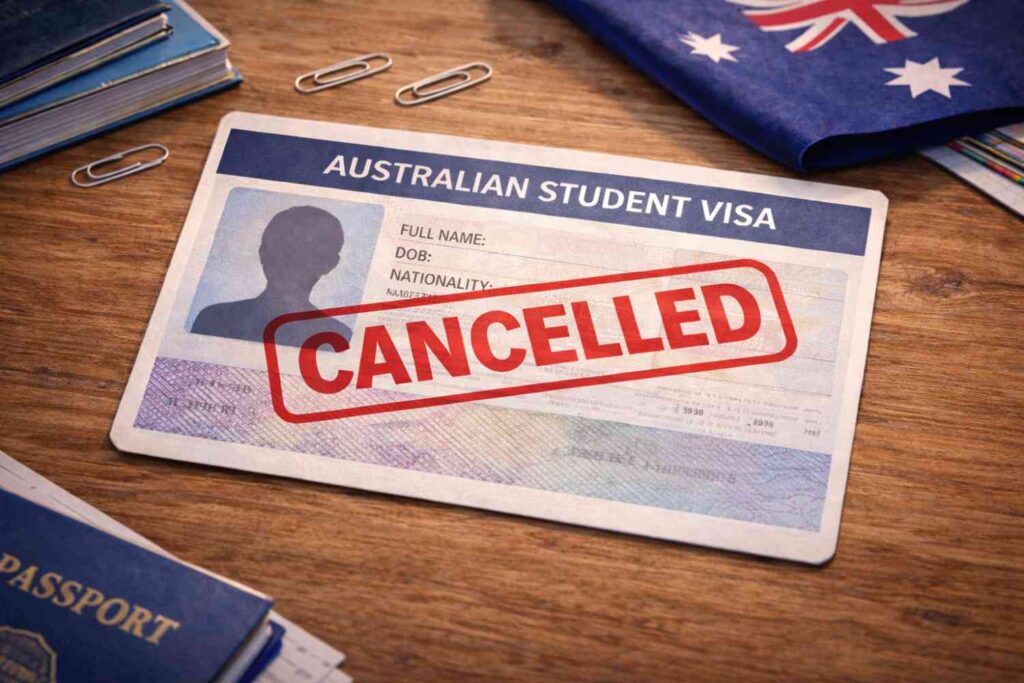
- From 2 October 2026, Working Holiday Maker visa holders generally cannot apply for a Student visa from inside Australia.
Not sure which option suits your plans?
Book a free education consultation.
Note: an application is not an approval. Home Affairs assesses each application against the requirements that apply at the time. Meeting the requirements does not guarantee a visa.
Working Holiday Visa at a Glance
|
Item |
Current position |
|
First visa fee |
AUD840 (unless exempt) |
|
Second visa fee |
AUD1,000 |
|
Third visa fee |
AUD1,000 |
|
Length of stay |
12 months for each visa |
|
Age |
18 to 30, or up to 35 for some countries |
|
Study |
Up to 4 months |
|
First visa |
Apply online from outside Australia |
|
Second and third visa |
If you are in Australia, you must hold a substantive visa, or your last one expired less than 28 days ago |
|
Children |
You cannot be accompanied by dependent children |
|
Processing |
About three months on average. A guide only |
Second and Third Year Visas
You may be able to apply for a second visa after 3 months (about 88 days) of specified work on your first visa. A third visa requires 6 months of specified work on your second.
Both the kind of work and where it is done matter. Home Affairs’ specified work rules decide what counts. Check them before you start a job, as the rules set what counts.
Keep your evidence from day one. This generally includes pay slips and employer details. Home Affairs lists what it accepts.
The Proposed Ballot
On 17 September 2026, the Minister announced a planned ballot and cap system for second and third year visas. Applicants would still need to meet the work requirement. Meeting it would no longer secure a place on its own.
In his National Press Club speech, the Minister gave proposed settings of 45,000 places for year two and 5,000 for year three. The speech did not give a start date. As of 14 October 2026, implementation details and application rules have not been published by Home Affairs. The subclass 417 pages of the agency currently show no ballot step.
Reports indicate British passport holders may be treated separately under the Australia–UK Free Trade Agreement. Home Affairs publishes UK passport holder arrangements on its Working Holiday Maker news page.
If you are planning a second or third year, check that page often as details may change.
Planning around the proposed ballot?
Talk to our team about your options.
Age Limit
The usual age range is 18 to 30. Some countries allow up to 35. From 1 July 2026, this includes Cyprus, Finland, Germany and the Republic of Korea. Check the list for your passport on the Home Affairs site.
Processing Time
Home Affairs says average processing for most Working Holiday Maker visas is expected to be about three months. This timeline is a rough guide only so we don’t advise you to book flights or make travel, work or study commitments until your visa is granted.
Working for One Employer
Working Holiday Maker visas generally limit work with any one employer to six months. Exemptions or written permission may apply.
Studying on a Working Holiday visa
Your visa allows study for up to 4 months. Longer study usually means a Student visa (subclass 500).
Some rules may have changed after our video was published. So far, this is the current position:
- From 2 October 2026, Student visa applicants must generally apply from outside Australia. Exemptions apply to some visa holders.
- Study Australia, an Australian Government site, lists Working Holiday Maker visa holders among those who generally cannot apply onshore.
- Applicants generally must also be outside Australia when the visa is granted.
- Applications lodged before 2 October 2026 are generally assessed under the rules in place at the time.
Remember to plan your study dates around these rules. A registered migration agent can review your situation.
Thinking about study after your working holiday?
Working Holiday Visa (subclass 462)
The first Working Holiday visa (Subclass 462) visas are managed through country caps and, for some countries, a ballot. The status can change during the program year so remember to check the Home Affairs’ status of country caps page before you apply.
Before you apply
- Check your passport country’s age limit.
- Confirm current fees on the Home Affairs Visa Pricing Estimator.
- Read the specified work rules before accepting a job.
- Keep records of your work.
- Home Affairs asks applicants to wait for a grant before booking travel.
Want a second opinion on your plan?
Planning Your Next Step
Australia’s rules for the Working Holiday visa can change any time. Whether you are weighing a second year, thinking about study or comparing options, it helps to check your plan against the current Home Affairs pages.
Remember that outcomes depend on your circumstances and on Home Affairs’ decisions. If you would like to talk it through, you can book a free education consultation with Pathway to Aus to discuss your study options.
Frequently Asked Questions
How much does a Working Holiday visa cost?
The first Working Holiday visa (subclass 417) costs AUD840. The second and third each cost AUD1,000. Fees can change, so confirm the amount on the Home Affairs Working Holiday visa page before you apply.
Has the second and third year ballot started?
The ballot is currently a proposal. On 17 September 2026, the Minister for Home Affairs announced a planned ballot and cap system. The Home Affairs pages checked on 14 October 2026 showed no start date or application rules. Details may change, so check the Working Holiday Maker news page.
How much work is needed for a second or third Working Holiday visa?
A second visa requires 3 months of specified work on your first visa. A third requires 6 months on your second. Both the kind of work and where it is done matter, so read Home Affairs’ specified work rules before you start a job.
Can I apply for a Student visa while on a Working Holiday visa?
From 2 October 2026, Working Holiday Maker visa holders generally cannot apply for a Student visa from inside Australia. Applicants generally apply from outside Australia and must be outside when it is granted. See the Home Affairs Student visa changes.
How long does a Working Holiday visa take to process?
Home Affairs expects processing to average about three months for most Working Holiday Maker visas. Times are a guide only. Home Affairs asks applicants not to book flights or make travel, work or study commitments until the visa is granted.
Can I bring my children on a Working Holiday visa?
No. You cannot be accompanied by dependent children. You must also apply on your own, because family members cannot be included in the application. Check the first Working Holiday visa requirements for details.